
By Trevor Greyeyes
Democracy is messy.
That is not a flaw — it is the price of legitimacy.
The Treaty One Annual Report 2024–2025 is titled From Vision to Reality: Building Nationhood. If Treaty One is serious about building nationhood, then it must also be serious about scrutiny, criticism, and uncomfortable questions.
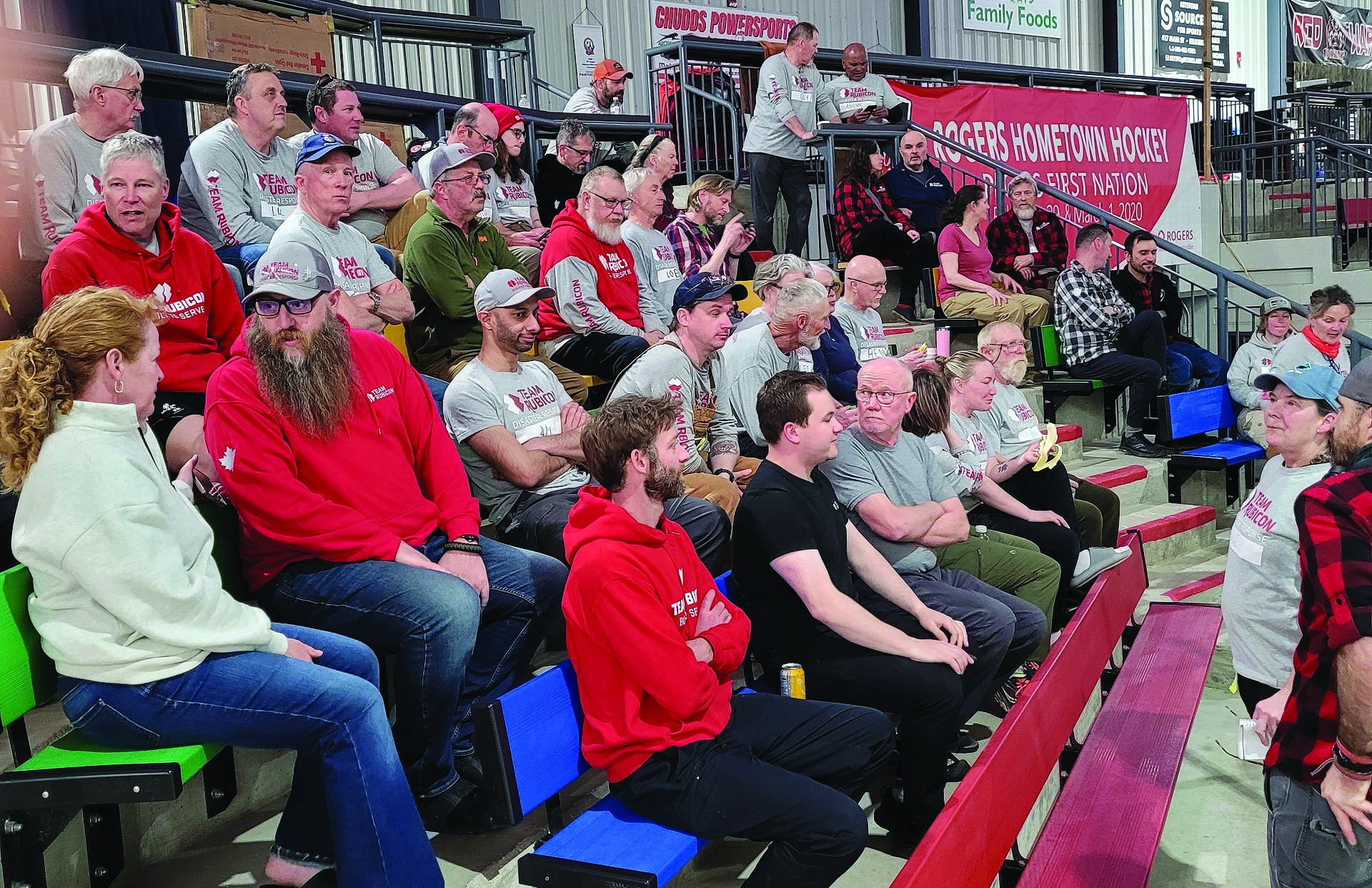
Treaty One has published an annual report and held a public meeting in Winnipeg to release it. The report is available online.
The question is whether that, on its own, is enough.
I didn’t know exactly what to expect as I walked from the University of Winnipeg to the Wyndham Hotel at St. Matthews and Madison. It was a cold day. I walked because I had one bus ticket left. For many Indigenous people without means, this is not unusual — it is simply how we get by.
Poverty, employment, crime, homelessness, and substance use are not abstract policy issues. They are lived realities that continue to worsen for Indigenous people in Winnipeg and across Treaty One territory.
Winnipeg’s 2024 Street Census recorded the highest number of people experiencing homelessness ever counted on a single night — nearly double the 2022 figure — with close to 80 per cent identified as Indigenous. Employment rates and median incomes for Indigenous people in Winnipeg continue to lag significantly behind the city average, a gap that has proven stubborn despite decades of policy commitments.
These conditions persist while governance bodies speak the language of growth, readiness, and nationhood — raising a basic question: how is success being measured, and for whom?
Treaty One Nations Inc. is a provincially incorporated not-for-profit organization that aspires to be recognized as a First Nations government. That distinction matters. Governments derive legitimacy through elections, taxation, and accountability to citizens. Corporations do not.
To date, Treaty One’s tangible development achievement is a gas station. There are plans for more.
Former Long Plain Chief Dennis Meeches spoke about future development and emphasized the importance of building a tax base. He expressed hope that, in the future, the federal government might allow Treaty One citizens living in Winnipeg to sign their taxes over to Treaty One.
That proposal raises serious questions. Why would citizens voluntarily redirect their taxes to an entity that does not publicly disclose how leadership compensation, honoraria, travel, and professional fees are allocated?
According to Treaty One’s own financial statements, the organization reported approximately $4.48 million in revenue while incurring roughly $4.8 million in professional fees and $1.03 million in salaries. These expenditures occurred while the organization operated at a deficit.
Leadership matters. Leaders lead by example.
If Treaty One wishes to be treated as a government, it must accept the expectations that come with that role — transparency, accountability, and a willingness to be questioned. Publishing an annual report and holding a single public meeting is not the same as democratic accountability.
None of the questions I submitted in advance of the AGM were answered. That, too, is telling.
Treaty One may choose to ignore criticism — but criticism is not hostility. It is a democratic obligation.
Democracy is messy.
And if Treaty One truly seeks nationhood, it must be willing to sit in that mess with the people it claims to represent.
That includes an estimated 40,000 Treaty One citizens living in Winnipeg, and a further 33,000 living in their home communities.