
By James Wastasecoot
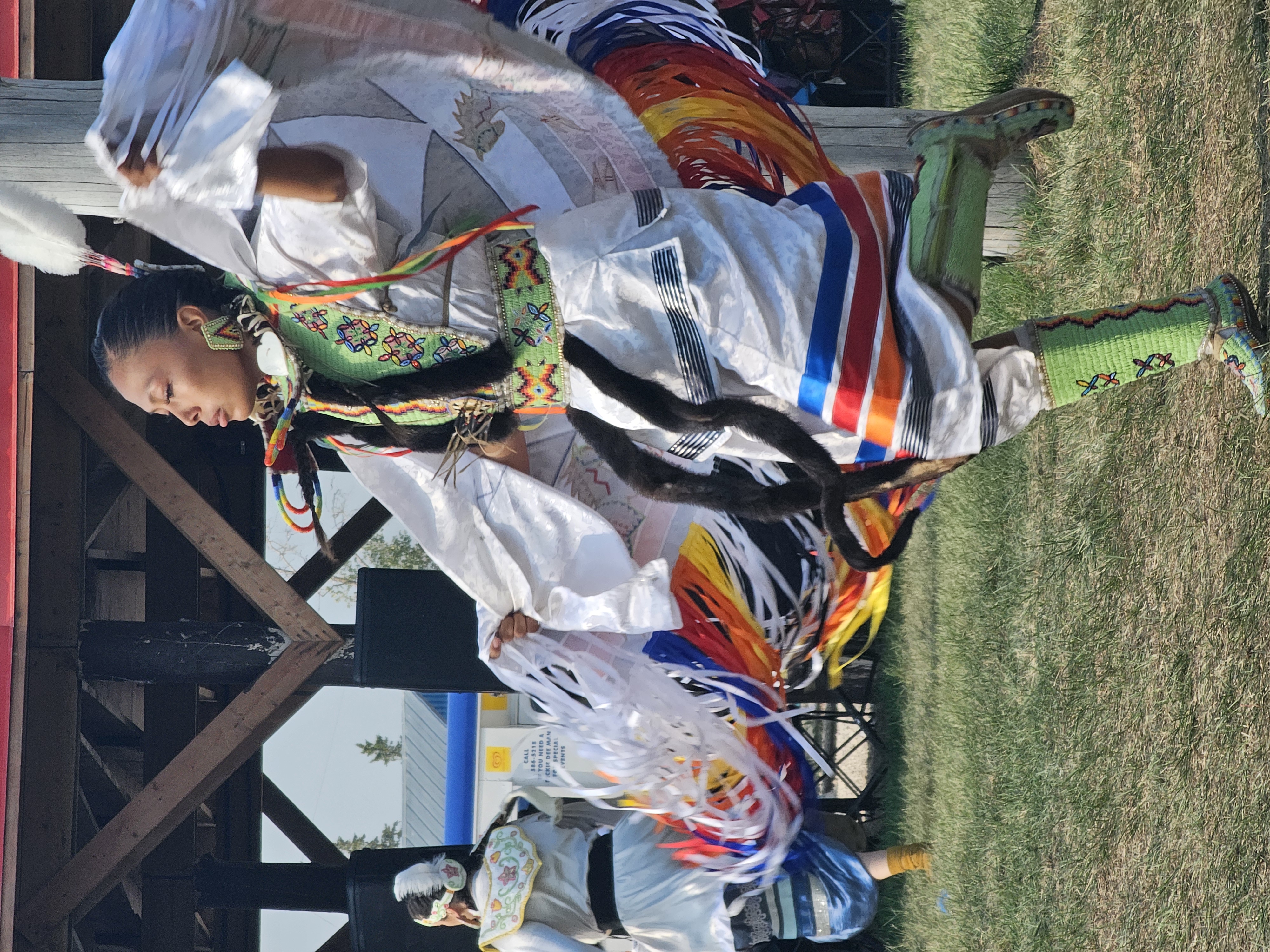
Peguis Treaty Days and Pow Wow once again brought the community together for one of the largest and most anticipated celebrations of the summer.
For several days, the Treaty Grounds and other community venues were filled with families, visitors, athletes, dancers, vendors and volunteers. The official Treaty Days page listed a wide range of cultural and recreational activities, including Elders events, canoe races, volleyball, ball hockey, arm wrestling and a corn hole tournament.
Behind the celebrations was a committee and workforce that spent long days organizing events, responding to problems and keeping the schedule moving.
“It was a very successful event again this year,” said Jonathan Flett, Peguis Recreation Director and a member of the Treaty Days Committee.
“We were meeting practically every hour, it seemed, but that’s what it takes to get the job done. It was fun as well and well worth all the hard work put in by the team.”
“We want to send a special thank you to all our sponsors, event coordinators and dedicated workers, and everyone who contributed to making Treaty Days another success,” reads the Treaty Committee release on social media. “We hope people leave with cherished memories and a renewed sense of connection to our amazing community.”
The Peguis Pow Wow remained one of the main attractions, drawing dancers and visitors from across Canada and the United States. The gathering brought together people who have attended for many years and others experiencing Peguis Treaty Days for the first time.
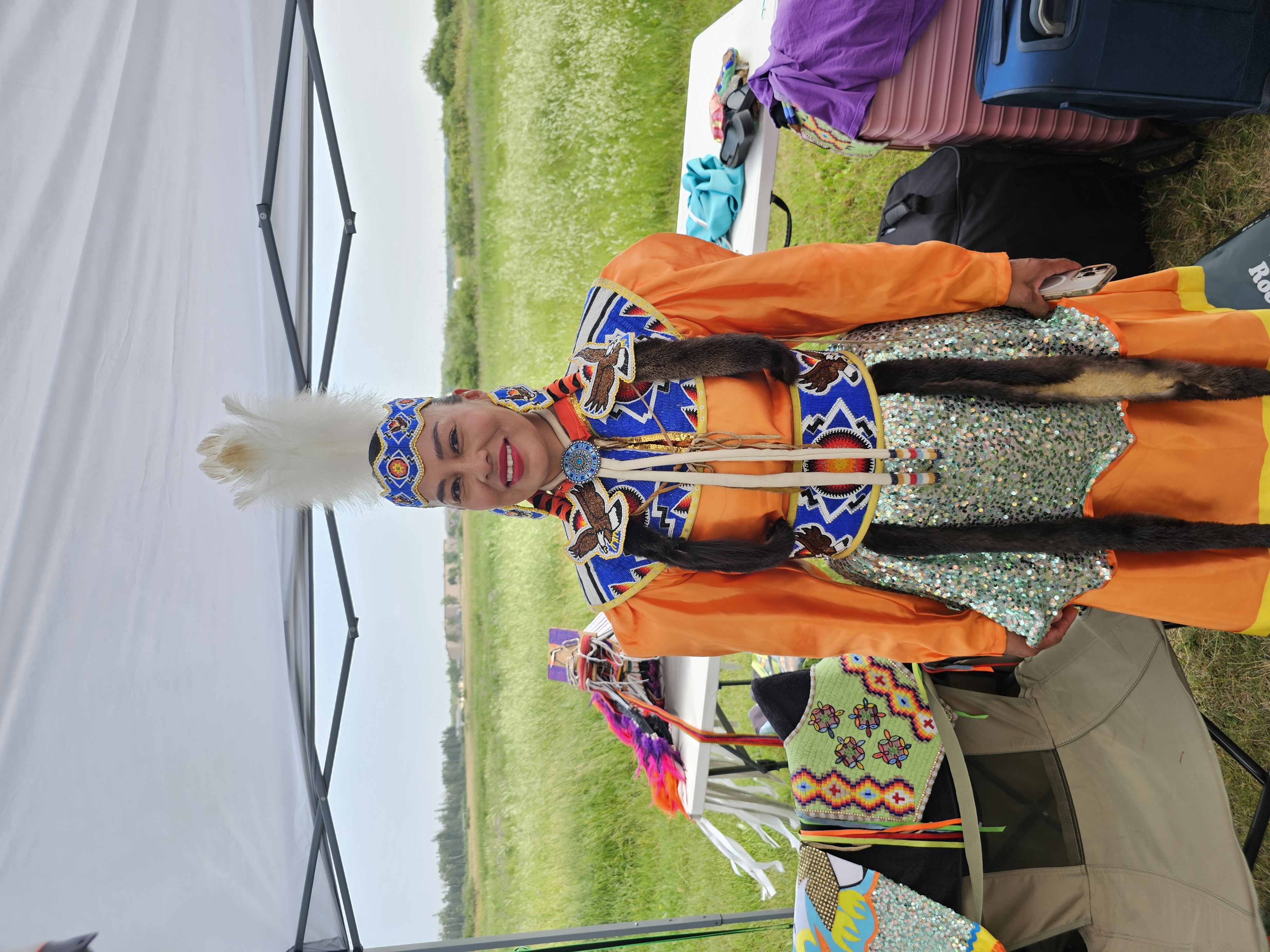
For Denaye Homani (above), from the Navajo Reservation, travelling to powwows has been part of her life since she danced in the Tiny Tot category during the 1990s.
“It’s been our tradition since I was in Tiny Tot to be here, to travel to different powwow celebrations and to be a part of the cultural celebration,” she said.
Homani said dancers do more than entertain or display their individual dancing styles.
“We are out here to dance for the people, to dance for those who can’t dance, for those who may be in mourning, and maybe they could get a good feeling from our dancing,” she said.
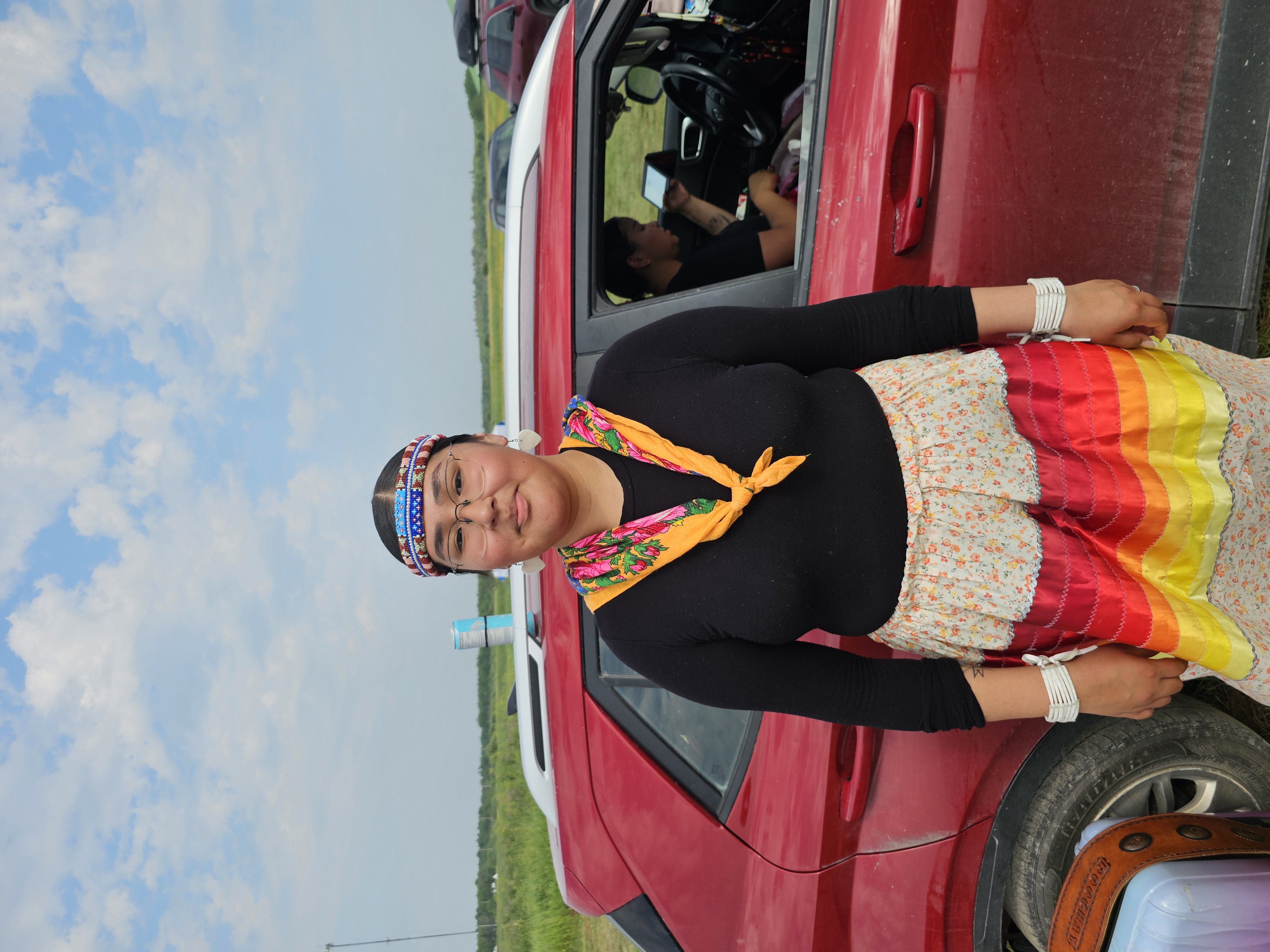
Shanayla Poochay (above) of Yellowquill First Nation in Saskatchewan was attending the Peguis Pow Wow for the first time.
“This is a part of my culture, and it really means a lot to me to be out here, embracing and feeling the comfort in our traditional ways with my family,” she said. “It feels really good to dance and to be out there.”
Others returned because of the welcoming atmosphere and their connections to Peguis.
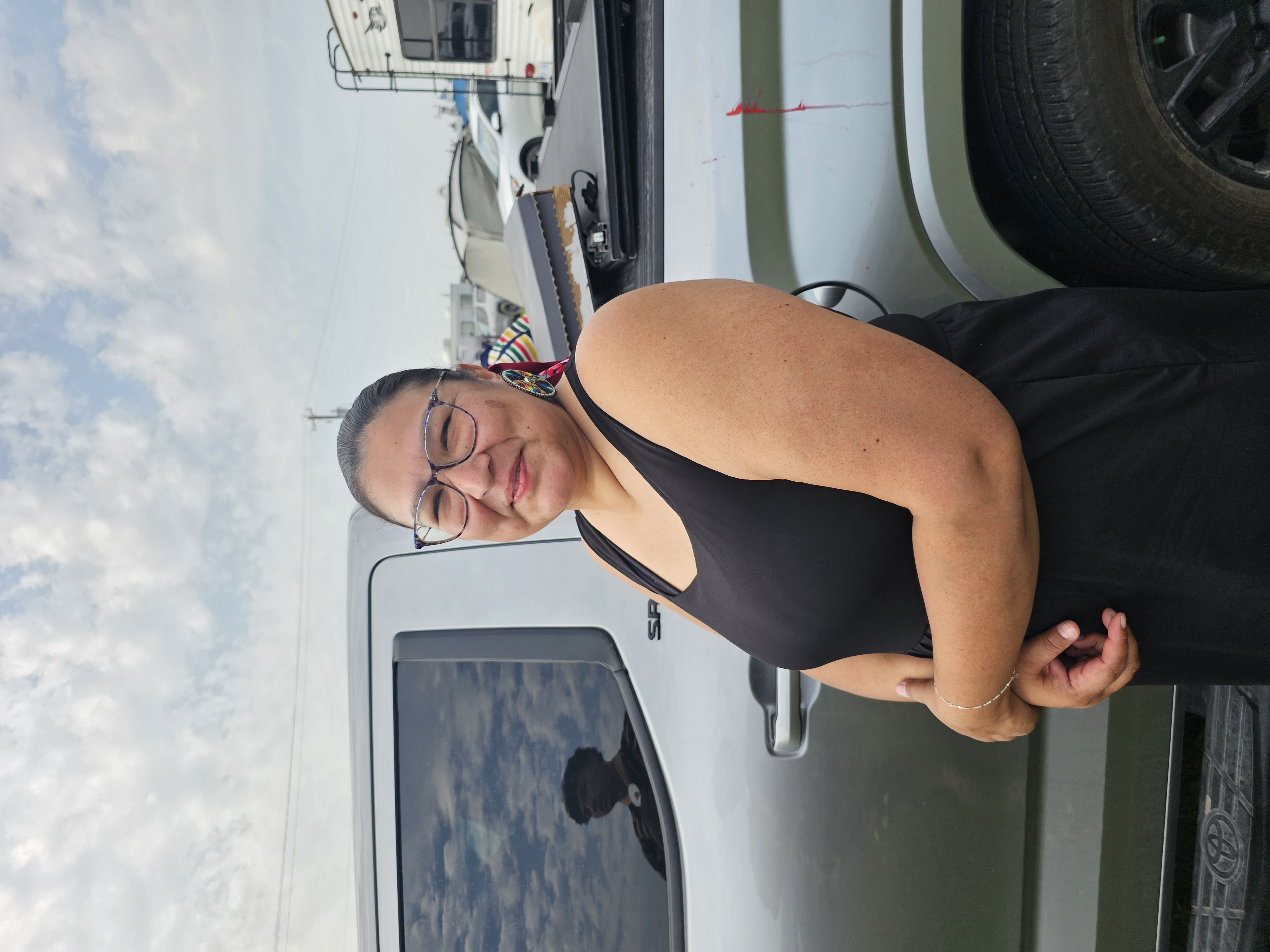
“We come out here each year because we like the celebrations, we love the feeling, and we have family out here to support them in their community events,” said Samantha Cameron (above) of Wabaseemoong Independent Nations.
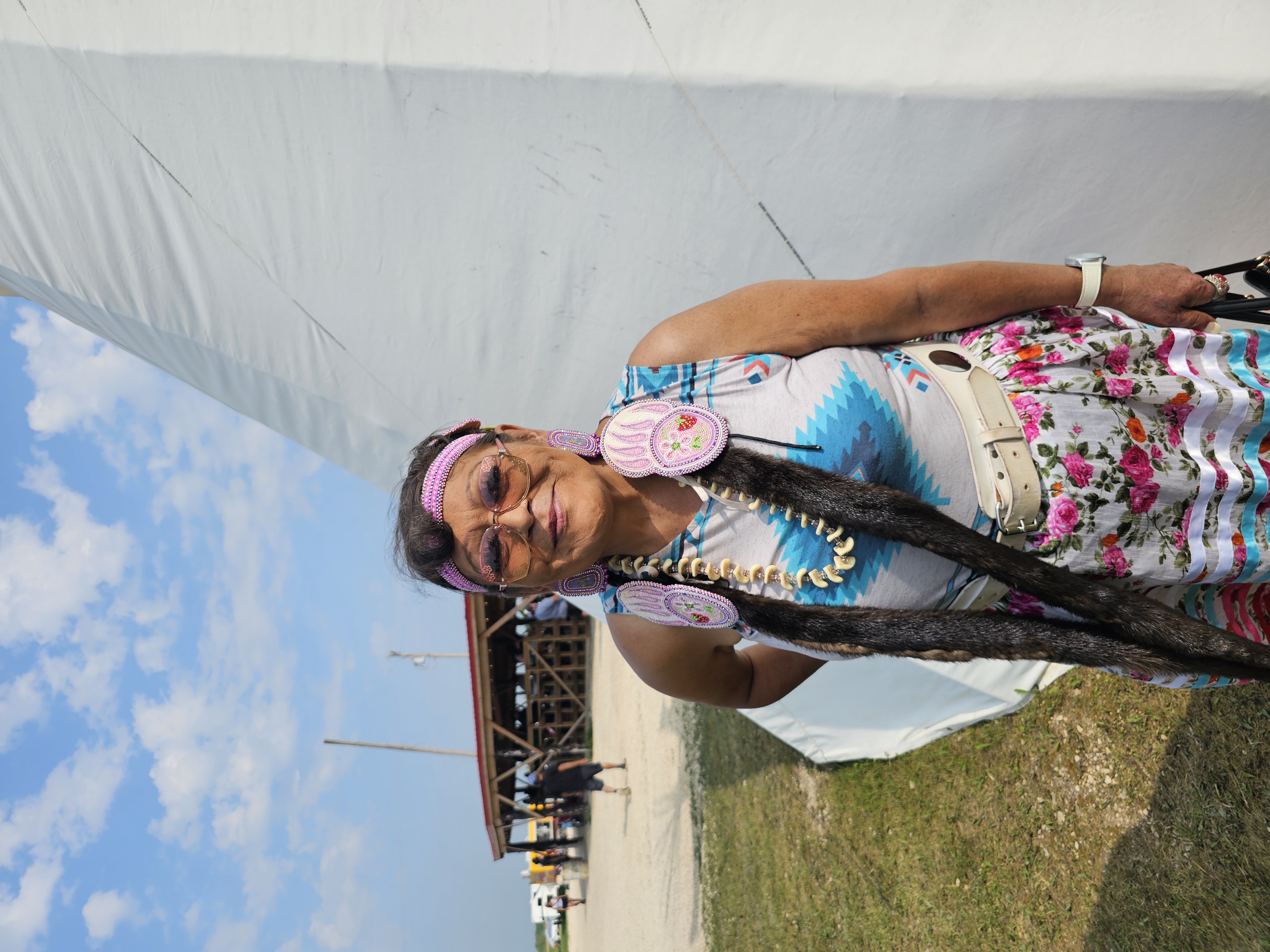
Gayle Pruden (above), from Little Saskatchewan First Nation, said it was important for Two-Spirit people to be seen and included in community celebrations.
“It’s so important that we are recognized as people, as well as everybody else,” Pruden said. “I’m really happy that I did come, and I love it.”
Treaty Days also provided an opportunity for newcomers working in Peguis to learn more about the community.
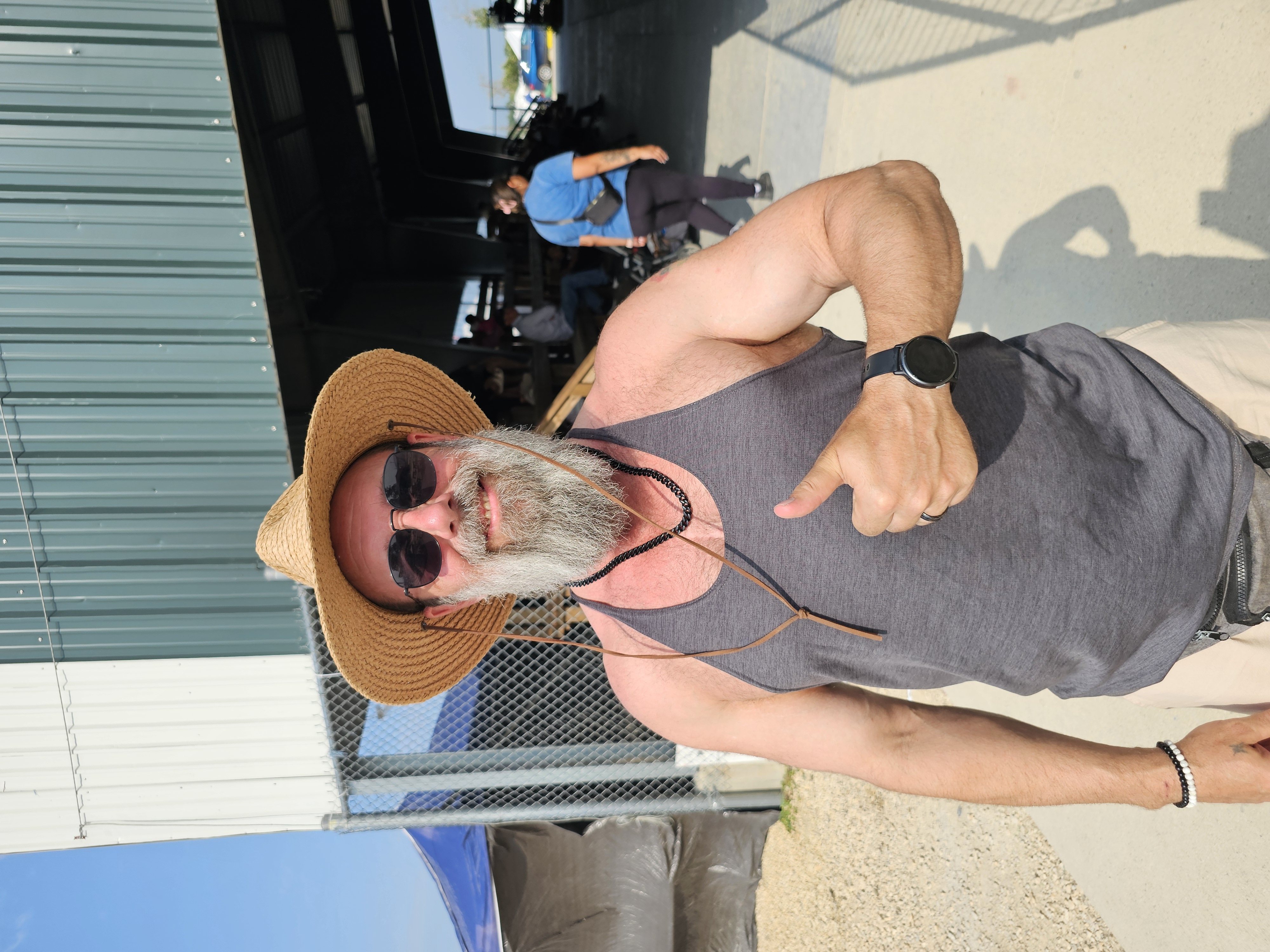
Michael Christopher Schurrer (above), who recently began working with Peguis Child and Family Services, said this was his first year attending the community’s major gatherings.
“This is my first Treaty Days, and I just think it’s really cool to be here and get the experience and learn what it’s all about, while supporting individuals who belong to the community,” he said.
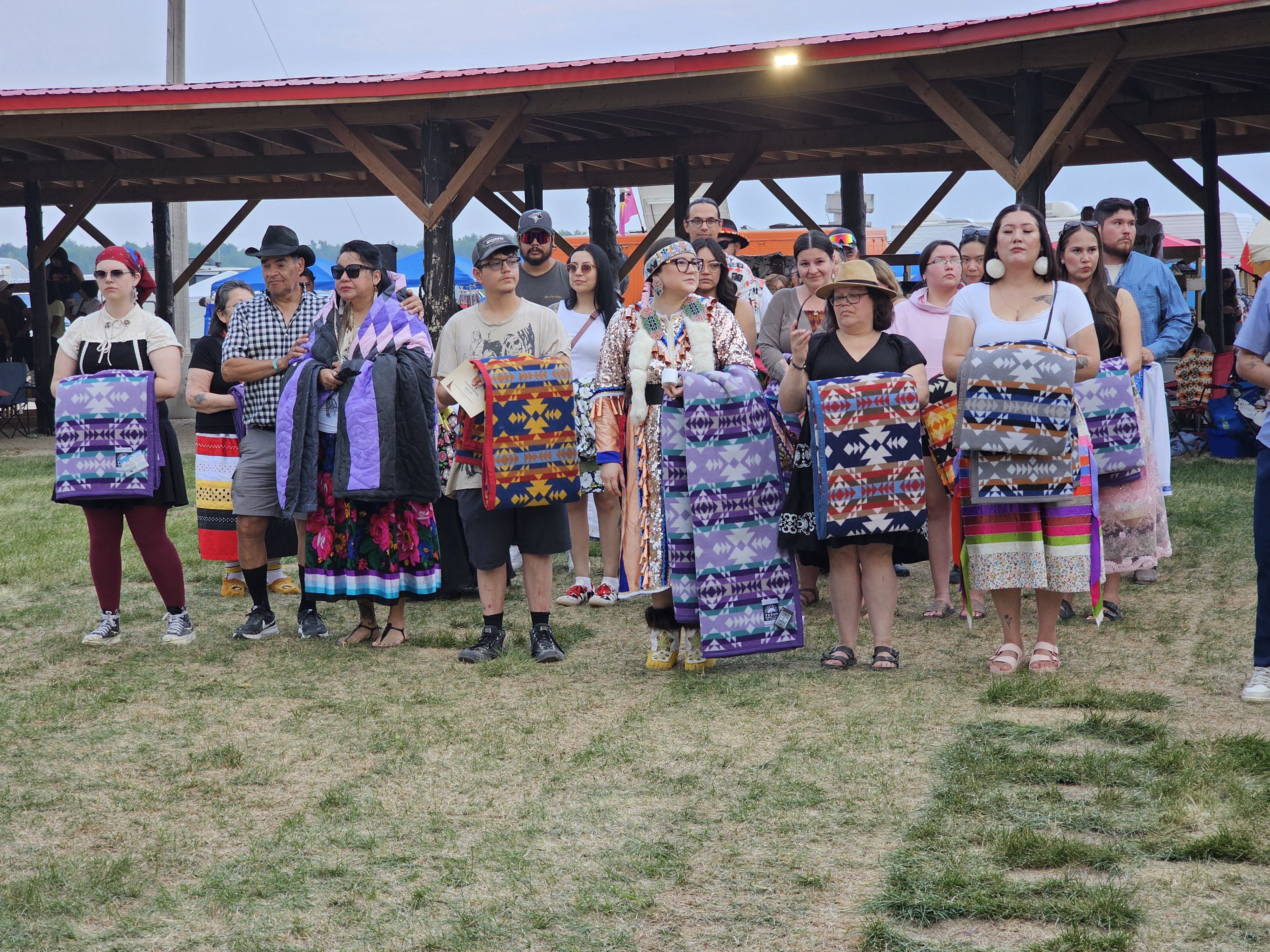
The Pow Wow also paused to recognize the educational accomplishments of Peguis members (above). Thirty-five post-secondary graduates from institutions including the University of Manitoba, Brandon University, Red River College Polytechnic and Assiniboine College were honoured. Their achievements ranged from trade certificates and teaching credentials to a medical degree.
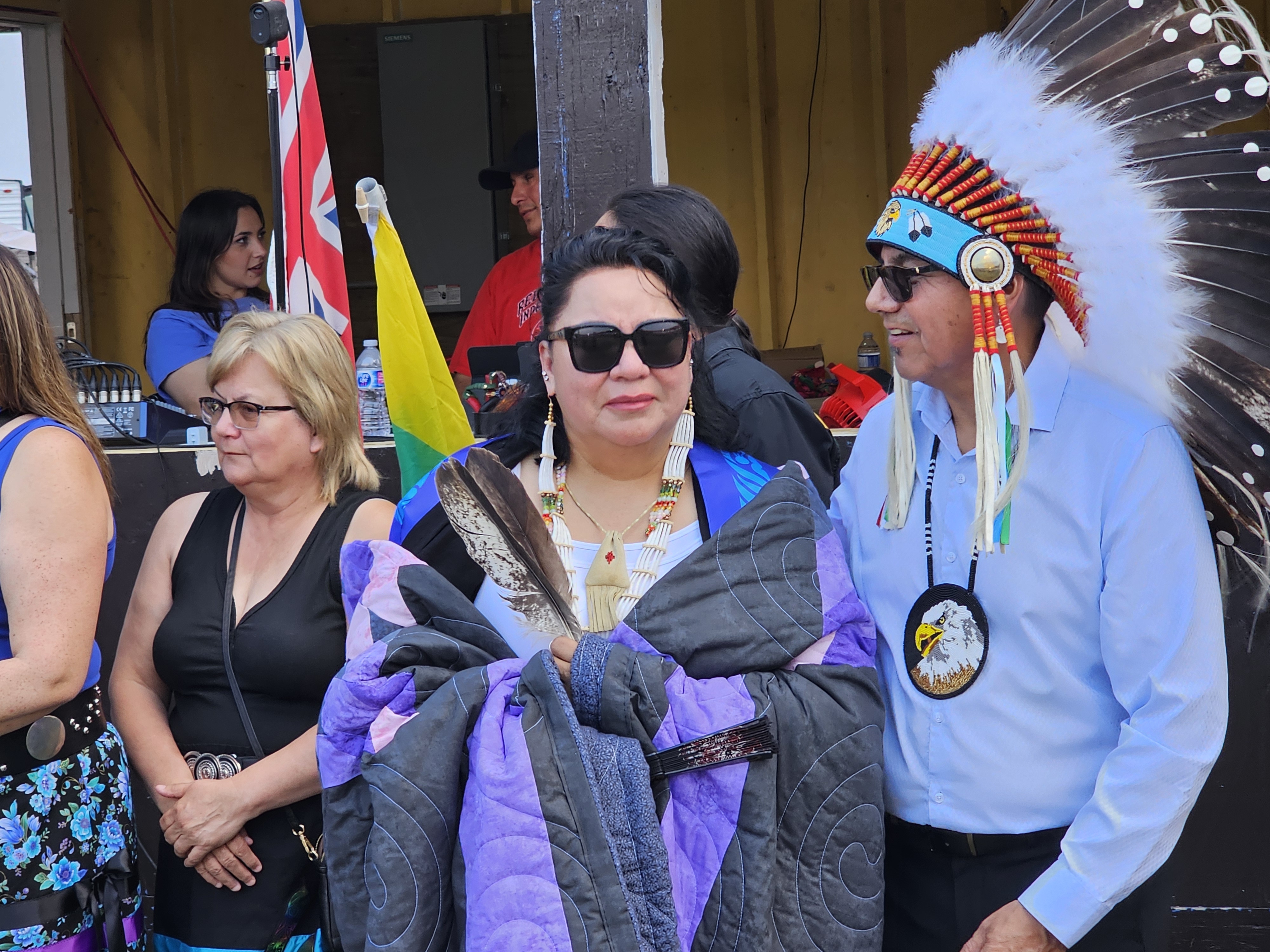
Among those recognized was Dr. Glennis Bird (above), who earned her medical degree from the University of Manitoba in October 2025 and is now completing her residency through the university’s northern and remote medicine program. Her work is taking her into northern and Indigenous communities, where she hopes to help patients feel understood, respected and safe.
Bird’s journey included raising children while studying, overcoming academic barriers and continuing through serious personal hardships. She credited her family, the University of Manitoba Access Program and the encouragement of the late Eugene Stevenson with helping her continue.
Her message to young people was that perseverance must be accompanied by care for one’s physical, mental, emotional and spiritual well-being.
“It’s grit,” Bird said. “We all have it in us.”For visitors, Treaty Days offered an opportunity to experience Peguis culture and hospitality. For community members, it was a time to visit relatives and old friends, celebrate young people and graduates, take part in sports and games, and gather around the powwow circle.
For the committee and workers behind the scenes, the success of the celebration was the result of many hours of planning and cooperation.
As Flett observed, that hard work was demanding, but it was also enjoyable and worthwhile because it produced an event the entire community could share.